
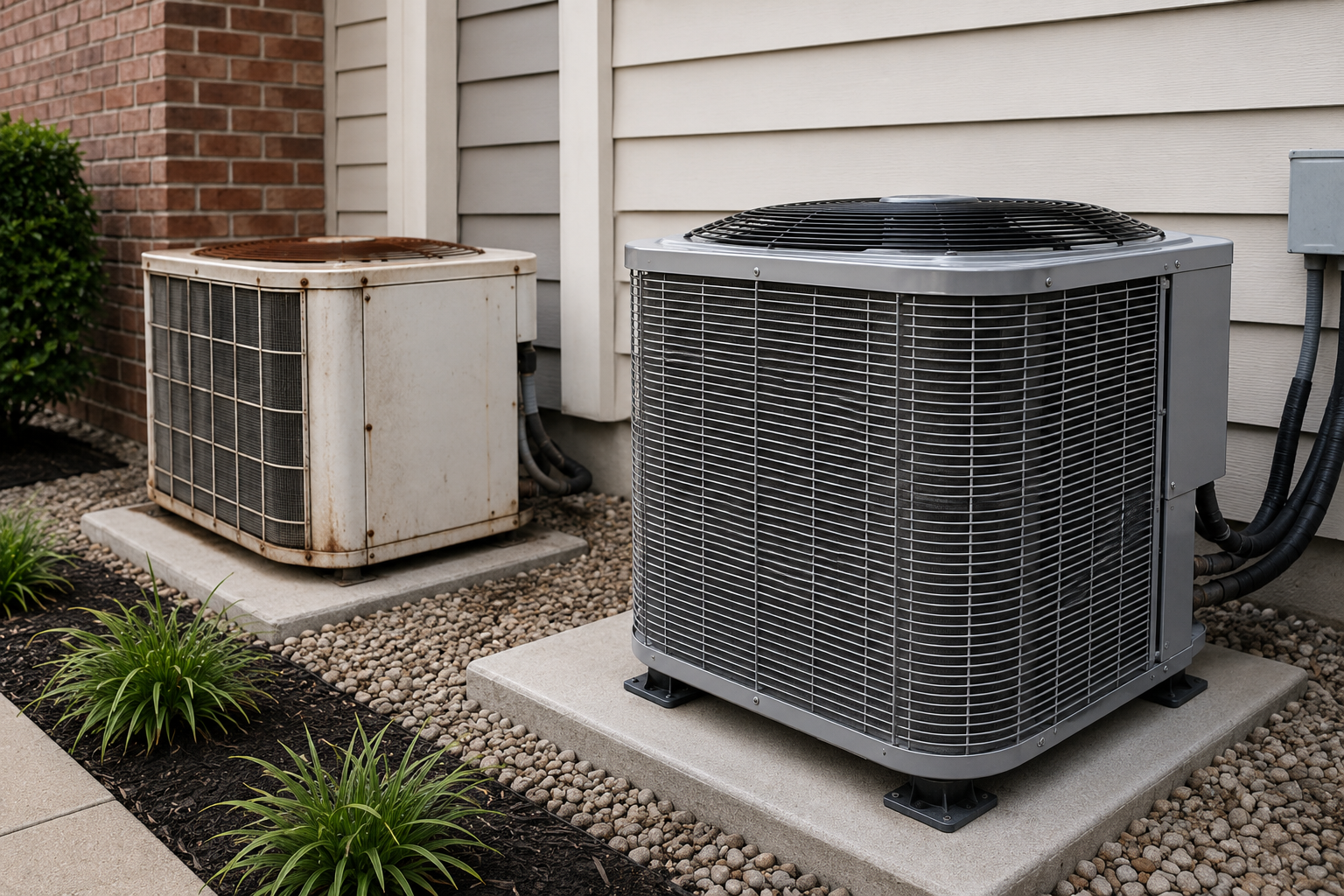
Many property owners eventually face the same difficult decision once an air conditioning system starts becoming unreliable. Should the system continue being repaired, should it be replaced entirely or is it better to invest in a completely new installation? The answer depends on several factors, including the age of the system, energy efficiency, repair history and the cooling requirements of the property itself.
Some air conditioners continue operating effectively for many years with proper maintenance and occasional repairs. Others gradually become more expensive to maintain, consume increasing amounts of electricity and struggle to cool efficiently during Pretoria’s hotter months.
This decision becomes even more important for commercial buildings where HVAC reliability directly affects employees, customers and daily operations. A failing cooling system can quickly disrupt productivity and create uncomfortable indoor environments.
Understanding the difference between aircon installation and aircon replacement helps property owners make better long-term decisions while avoiding unnecessary repair costs and inefficient cooling performance.
Request a Professional Aircon Assessment
Get expert advice on aircon installation, replacement and HVAC upgrades for residential and commercial properties in Pretoria.
Understanding the Difference Between Installation and Replacement
Although many people use the terms interchangeably, aircon installation and aircon replacement are not exactly the same thing.
A new installation usually refers to installing a completely new cooling system in a property that either never had air conditioning before or requires additional cooling capacity. This process often includes installing indoor units, outdoor condensers, drainage systems, electrical connections and refrigerant piping from the beginning.
Aircon replacement involves removing an older or failing system and replacing it with newer equipment. In some cases, portions of the existing infrastructure may still be usable, although older drainage systems, electrical connections and piping may still need upgrades to support modern equipment properly.
Replacement projects are often more complicated than expected because older systems may not be compatible with modern energy-efficient technology. Professional HVAC inspections help determine whether the existing setup can still support reliable cooling performance or whether a complete upgrade is the better option.
Why Older Air Conditioners Become More Expensive Over Time
Many property owners continue repairing aging air conditioners because individual repairs initially appear more affordable than replacing the system entirely. However, this approach often becomes more expensive over time.
Older systems gradually lose efficiency as components wear down. Compressors, fan motors, electrical controls and refrigerant systems all experience strain after years of operation. Even when the air conditioner still functions, it may consume far more electricity than a newer system.
Repeated repairs also begin adding up financially. One month may involve fixing a drainage issue, while another may require refrigerant repairs or electrical work. Eventually, property owners find themselves paying for both higher electricity bills and continuous maintenance at the same time.
Commercial HVAC systems often become even more expensive to maintain because they operate for much longer hours while cooling larger environments. Older systems under constant strain are far more vulnerable to sudden breakdowns during peak summer periods when cooling becomes most important.
Professional HVAC assessments help determine whether ongoing repairs are still financially worthwhile or whether replacement offers better long-term value.
Modern Air Conditioners Are Far More Energy Efficient
One of the biggest advantages of replacing an older system is improved energy efficiency. HVAC technology has advanced significantly over the past decade, and modern air conditioners are designed to cool spaces far more efficiently while consuming less electricity.
Older systems usually operate at fixed speeds, meaning they continuously switch on and off while using large amounts of energy. Modern inverter systems adjust cooling output automatically according to room temperature and demand, which improves efficiency and reduces operating costs.
Property owners often notice that newer systems cool rooms faster while maintaining more stable temperatures throughout the day. Modern systems also tend to operate more quietly and place less strain on internal components.
For commercial properties, energy efficiency improvements can significantly reduce long-term operating expenses because large HVAC systems often account for a major portion of electricity consumption.
Although replacement may require higher upfront investment, the reduction in monthly energy usage often offsets a substantial portion of the installation cost over time.
Frequent Breakdowns Usually Indicate Larger Problems
Air conditioners rarely fail completely without warning. Most systems show signs of declining reliability long before total breakdown occurs.
Some units begin requiring regular refrigerant top-ups. Others develop recurring electrical problems, airflow restrictions or drainage issues. Property owners may notice that the system cools inconsistently despite repeated servicing and repairs.
At this stage, continuing to repair the system often becomes frustrating as well as expensive. Unexpected breakdowns create inconvenience, disrupt operations and increase maintenance costs.
This is particularly problematic for businesses that depend on reliable cooling every day. Offices, retail spaces, warehouses and commercial facilities cannot afford repeated HVAC downtime during Pretoria’s hottest periods.
Common warning signs that a system may be nearing replacement include:
- repeated breakdowns within short periods
- rising electricity bills
- inconsistent cooling performance
- excessive operating noise
- weak airflow
- frequent refrigerant leaks
When these problems begin occurring regularly, replacement often becomes more practical than continuing to repair aging equipment.
Need Expert Aircon Installation Advice?
Our HVAC specialists help you choose the right aircon installation or replacement solution for your property and cooling requirements.
Pretoria’s Climate Places Heavy Pressure on HVAC Systems
Pretoria’s warm climate places significant pressure on air conditioning systems throughout much of the year. During summer, many systems operate continuously for long hours while trying to maintain comfortable indoor temperatures.
Older systems often struggle under these conditions. Cooling performance declines, airflow weakens and electricity consumption rises as the unit works harder to compensate.
Commercial buildings experience even greater strain because HVAC systems may operate throughout the entire working day while cooling larger spaces with higher occupancy levels.
As systems age, continuous heavy usage increases the likelihood of compressor strain, overheating and electrical failures. Older air conditioners are also less capable of maintaining stable temperatures during periods of extreme heat.
Modern systems are designed to handle higher cooling demands more efficiently while maintaining more reliable long-term performance.
When Replacement Makes More Sense Than Repairs
There comes a point where continued repairs no longer make financial sense. Although every HVAC system is different, replacement is usually worth considering once repair costs continue increasing while overall reliability continues declining.
Systems older than ten to fifteen years are generally less energy efficient than newer models and may already be approaching the end of their expected lifespan. Older equipment may also use outdated refrigerants or components that are becoming difficult and expensive to source.
Waiting until the system fails completely often creates unnecessary stress because emergency replacements during peak summer periods are usually more disruptive and expensive.
Replacing the system before complete failure allows property owners to plan installations properly, compare equipment options carefully and avoid sudden operational disruptions.
Professional HVAC assessments help determine whether replacement provides better long-term value compared to ongoing repairs.
Residential and Commercial HVAC Needs Are Very Different
Residential and commercial properties have very different cooling requirements, which affects whether installation or replacement is the best option.
Residential properties typically focus on affordability, comfort, quiet operation and energy efficiency. Homeowners often replace older systems to reduce electricity costs, improve cooling performance or upgrade outdated split units.
Commercial HVAC systems are far more complex because they cool much larger spaces while operating for longer hours every day. Office buildings, retail centres, industrial facilities and warehouses place heavy demands on HVAC equipment.
Businesses often consider replacement once maintenance costs become excessive or cooling performance begins affecting operations and employee comfort.
Commercial HVAC systems may also require redesigning airflow layouts, improving zoning capabilities or increasing cooling capacity as businesses expand or renovate their premises.
Because of this complexity, professional HVAC planning becomes essential when deciding between continued repairs, replacement or new installations.
New Installations Provide More Flexibility
For properties undergoing renovations, expansions or layout changes, new aircon installations often provide more flexibility than trying to adapt older systems.
Modern HVAC installations allow for better airflow planning, improved zoning systems and more efficient cooling layouts throughout the property.
In some situations, installing additional systems may provide far better cooling performance than forcing one aging unit to cool an entire building inefficiently.
Commercial properties especially benefit from properly designed HVAC systems that match operational demands, occupancy requirements and long-term energy efficiency goals.
Professional installation also ensures that equipment is correctly sized for the property. Incorrectly sized systems often experience unnecessary strain, poor efficiency and reduced lifespan.
Why Professional HVAC Assessments Matter
Many property owners focus only on immediate repair costs without considering long-term energy efficiency, reliability and operating expenses.
A professional HVAC assessment evaluates the overall condition of the system, cooling performance, electrical components, airflow quality and expected remaining lifespan.
This helps property owners make informed decisions based on the actual condition of the system rather than temporary short-term fixes.
Professional inspections also identify whether airflow improvements, installation upgrades or replacement options would improve efficiency and reduce long-term operating costs.
For commercial buildings, professional HVAC planning is especially important because cooling systems directly affect operational reliability and monthly electricity expenses.
Choosing the Right HVAC Solution for Your Property
There is no single solution that works for every property. Some systems still have many years of reliable operation remaining with proper servicing and maintenance. Others may already be costing more in repairs and electricity than they are worth.
The best decision depends on the age of the system, repair history, cooling performance, property size and long-term operational requirements.
Replacing an outdated system may initially appear expensive, but lower electricity costs, fewer repairs and improved reliability often make replacement financially worthwhile over time.
For newer systems with isolated problems, professional repairs and maintenance may still provide excellent long-term value.
Choosing the correct HVAC solution requires balancing immediate costs with long-term efficiency, reliability and operational performance.
Preventative Maintenance Still Remains Essential
Whether you install a completely new system or replace an older unit, preventative maintenance remains critical for long-term HVAC performance.
Even modern energy-efficient systems require routine servicing to maintain airflow, cooling efficiency and component reliability.
Routine HVAC maintenance helps reduce wear, identify developing issues early and improve equipment lifespan significantly.
Without proper servicing, even newer systems may eventually develop airflow restrictions, refrigerant problems, drainage issues and declining efficiency.
Preventative maintenance remains one of the most effective ways to protect your HVAC investment while maintaining reliable cooling performance throughout Pretoria’s demanding climate.
Book Professional Aircon Installation Services
Get reliable residential and commercial aircon installation, replacement and HVAC upgrade solutions tailored to your property.